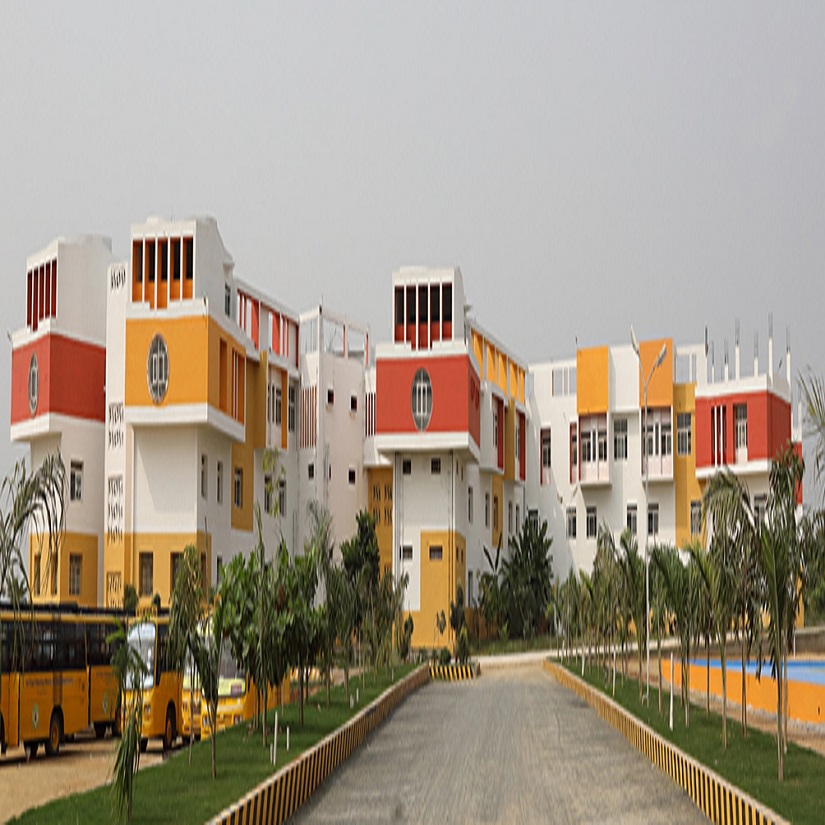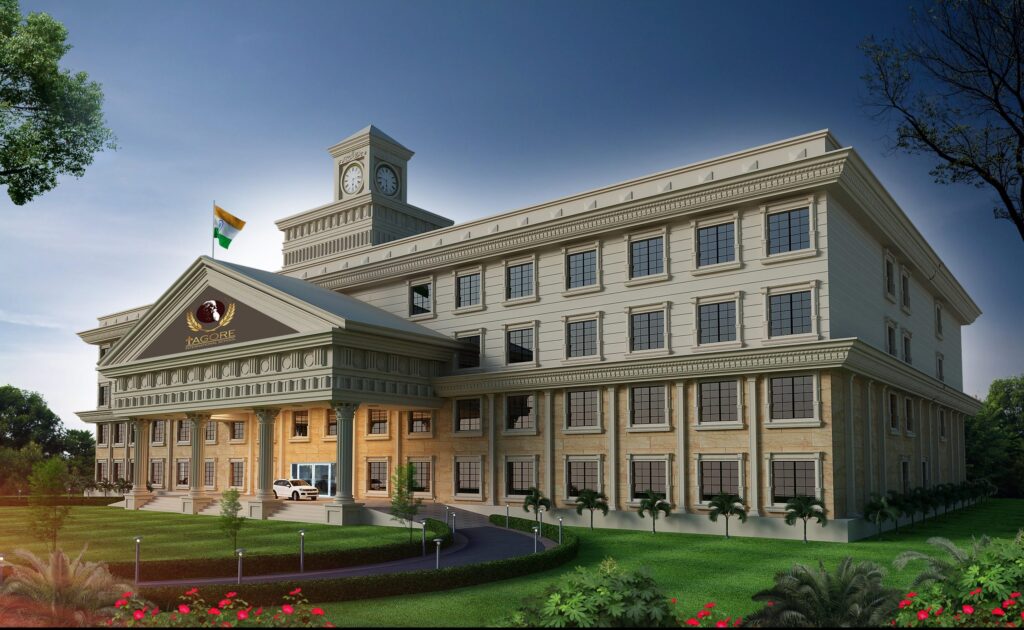

Sri Vijay Vidyalaya College of Pharmacy was established in the year 2017.
Sri Vijay Vidyalaya College of Pharmacy was established in the year 2017. The College offers 4 year B.Sc. Medical Laboratory Technology , B. Sc Cardiac Technology , B. Sc Medical Record Science , B. Sc Operation Theatre & Anesthesia Technology, B. Sc Cardio Pulmonary Perfusion care Technology, B. Optometry, B. Sc Fitness & Life style Modification courses and 2 year PG Diploma in Emergency Medical Technology, PG Diploma in Ward Administration courses. The College is approved by Government of Tamil Nadu and affiliated to DR MGR Medical University.
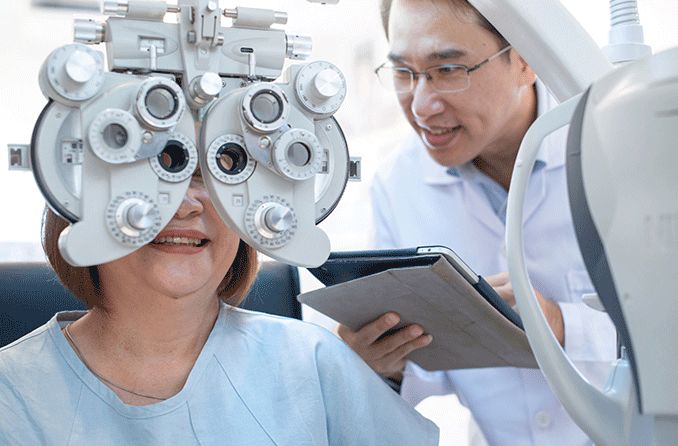
BSc Operation Theatre and Anesthesia Technology is a specialized undergraduate degree program that trains individuals to become proficient technologists in operation theatre and anesthesia care. B. Sc Optometry is a specialized undergraduate degree program that focuses on training individuals to become eye care professionals, known as optometrists. Optometrists are responsible for examining, diagnosing, and treating various eye and vision-related issues. BSc Medical Laboratory Technology (MLT) is a three-year undergraduate program that focuses on training healthcare professionals responsible for conducting laboratory tests to aid in the diagnosis, treatment, and prevention of diseases. The curriculum encompasses courses in clinical biochemistry, hematology, microbiology, pathology, and immunology. Students learn laboratory techniques, quality control, and diagnostic procedures. BSc Medical Record Science is an undergraduate degree program that focuses on training professionals responsible for managing and maintaining patient health records in healthcare settings. Also known as Health Information Management or Medical Records Management, this program typically spans three years and encompasses a combination of medical and information management courses. BSc Cardiac Care Technology is an undergraduate degree program designed to train healthcare professionals specialized in managing and caring for patients with cardiovascular conditions. The program typically spans three to four years and covers a comprehensive curriculum that includes foundational sciences, cardiovascular anatomy and physiology, diagnostic procedures, and therapeutic interventions.